









All Sauce from Weekly Sauce:

About 44% of U.S. middle and high schools have student-run clubs that shine a light on issues that touch the lives of LGBTQ+ students. And new research suggests that depression risk among LGBTQ+ students is considerably lower in those schools where such Gender-Sexuality Alliances (GSAs), similar to Gay-Straight Alliances, are present and relatively active. “Depression…  read on >  read on >
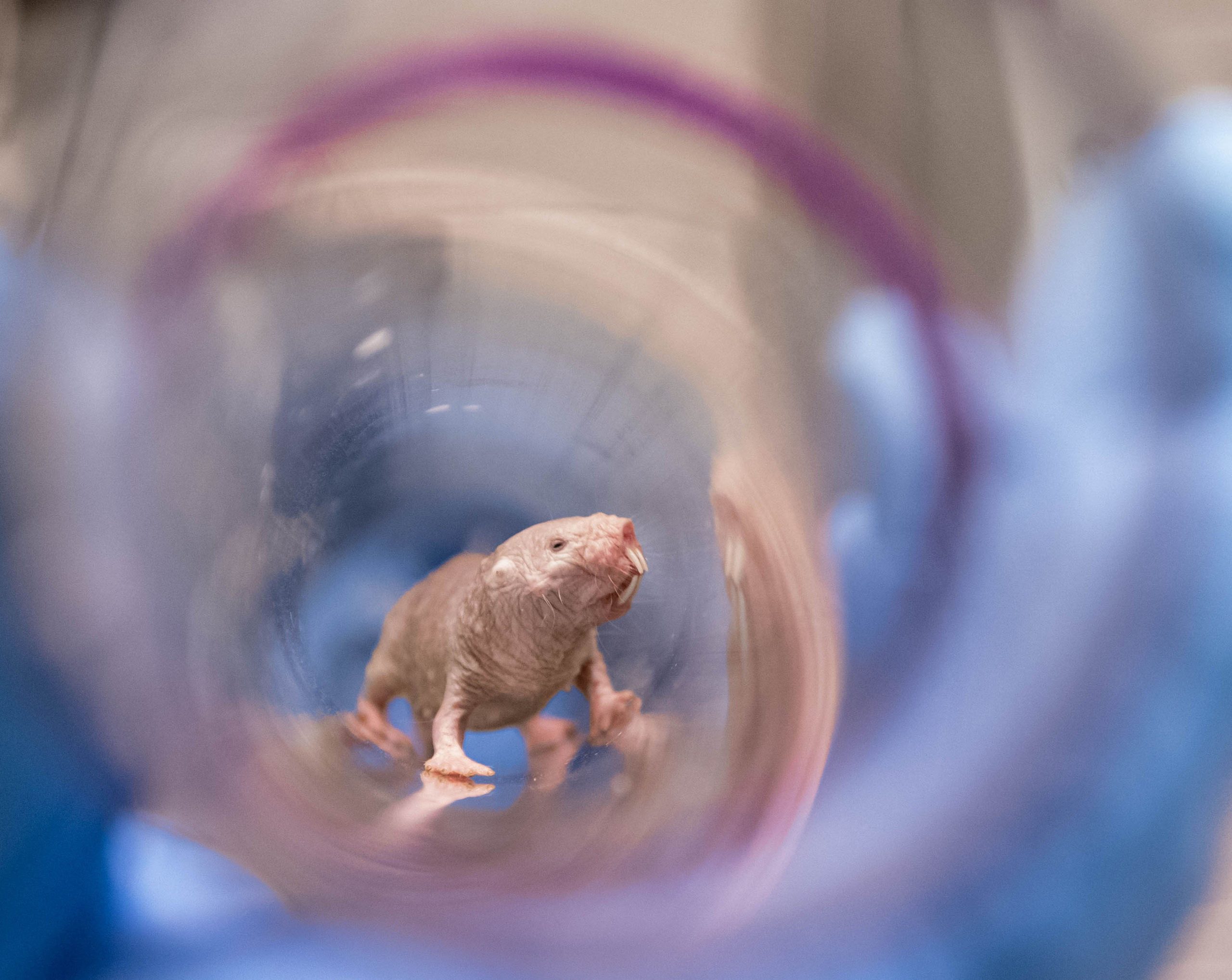
The naked mole-rat is unusual among mammals for many reasons, not least because these rodents remain fertile throughout their decades-long life span. Researchers think the reasons behind that lifelong fertility could eventually point the way to new therapies for human couples struggling to have a baby. “Naked mole-rats are the weirdest mammals,” said lead researcher…  read on >  read on >

Parents are role models who can teach their kids about healthy food and exercise habits in childhood to help avoid future health problems. “Children who are overweight are more likely to develop diabetes, experience feelings of isolation and struggle with self-esteem,” said Dr. Asma Khan, a pediatrician at OSF HealthCare in Rockland, Ill. Khan offered…  read on >  read on >

TUESDAY, Feb. 21, 2023 (American Heart Association News) — News that one of America’s best-known stroke survivors was being treated for depression highlights a common and serious connection between the two afflictions. Last May, Sen. John Fetterman made national headlines after his near-fatal stroke. On Thursday, his staff announced he had checked into a hospital…  read on >  read on >

People who are experiencing anxiety and depression months after a mild case of COVID-19 may have changes affecting the structure and function of their brains, Brazilian researchers report. “There is still much to learn about long COVID, which includes a wide range of health problems, including anxiety and depression, months after infection,” said Dr. Clarissa…  read on >  read on >

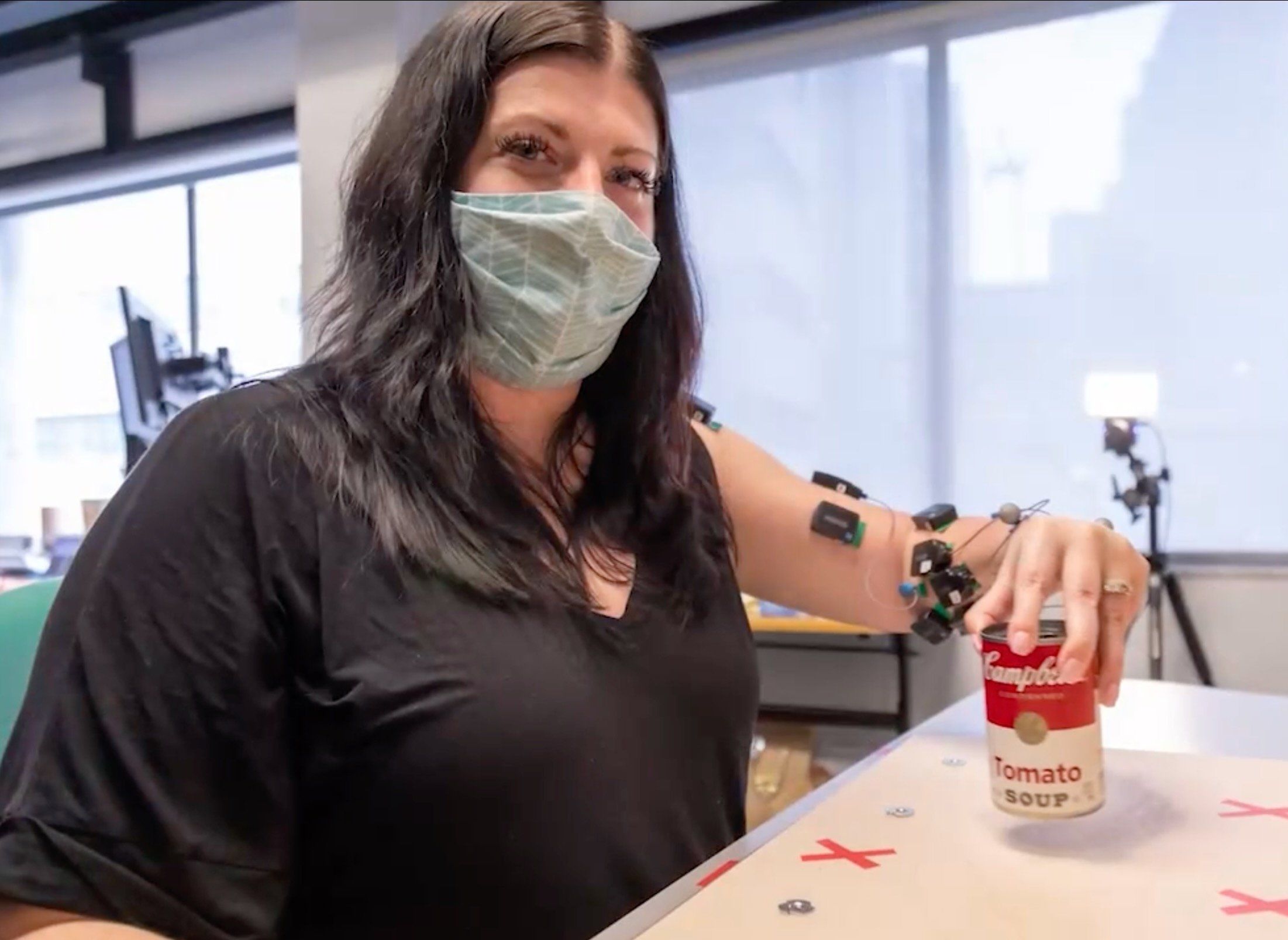
It’s a brutal reality that confronts many recovering stroke patients: After six months or so of rehab, any arm and hand movement not yet restored is unlikely to return. But new cutting-edge research aims to use electrical stimulation to jumpstart stroke-interrupted communication between the brain and the spinal cord, restoring lost motor control. The technique…  read on >  read on >