









Telemedicine rapidly expanded during the COVID-19 pandemic as people turned to their phones and computers rather than leave their homes for health care. But some groups of people were left behind in the telemedicine boom, a new study reports. Middle-aged and older folks are much less likely to complete their scheduled telemedicine visits, as well…  read on >  read on >

It might be tough to imagine jetting off to far-flung destinations right now, but new research shows that people who love to travel are happier than homebodies. Chun-Chu (Bamboo) Chen, an assistant professor in the School of Hospitality Business Management at Washington State University Vancouver, surveyed 500 people to find out why some travel more…  read on >  read on >

Testing of Eli Lilly’s antibody drug for hospitalized COVID-19 patients has been halted because the treatment doesn’t help them recover from their infection. Two weeks ago, enrollment in the study was paused because of a possible safety issue, the Associated Press reported. But the U.S. National Institute of Allergy and Infectious Diseases, which sponsored the…  read on >

Replacing sugary drinks with diet versions may not be any healthier for the heart, a large, new study suggests. French researchers found that people who regularly drank artificially sweetened beverages had a higher risk of heart disease and stroke, versus people who avoided those beverages. In fact, they were no less likely to develop cardiovascular…  read on >

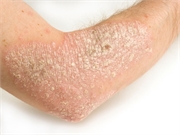
Researchers in the United Kingdom have reassuring news for people with psoriasis based on the first analysis of a global registry of COVID-19 patients who also have the skin disease. Moderate-to-severe cases of psoriasis are treated with drugs that suppress the immune system. This analysis of the international PsoProtect registry found that more than 90%…  read on >

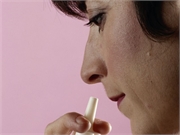
Loss of smell is common in COVID-19, but fewer people say they have this symptom than objective tests reveal, a new study finds. In fact, about 77% of COVID-19 patients who were directly measured had smell loss, but only 44% said they did, researchers found. Direct measures of smell involve having patients smell and report…  read on >

When the new coronavirus pandemic first began, respiratory distress immediately became the hallmark of severe COVID-19 illness. News reports focused on the inability to breathe, low oxygen saturation levels and the alarming need for ventilators. But six months later, experts are becoming increasingly concerned about a very different COVID-19 phenomenon, one that spares the lungs…  read on >

Here’s more proof that masking up reduces transmission of COVID-19: A new Massachusetts study found that wearing face coverings resulted in a decrease in coronavirus cases among health care workers as infections were increasing in the surrounding community. “We found clear benefits to universal masking for preventing infectious spread within the work environment,” researcher Dr.…  read on >