









Screening newborns for severe combined immunodeficiency — SCID, sometimes referred to as “bubble boy disease” — significantly increases survival rates, researchers say. Infants with SCID appear healthy at birth, but have no immune defenses, making them highly susceptible to severe and often fatal infections. The 1976 TV movie “The Boy in the Plastic Bubble” promoted…  read on >  read on >

New research on horses and dogs found elevated levels of PFAS “forever chemicals,” establishing horses as sentinel species. Sentinel species provide advance warning of a danger to people. The work also advanced knowledge about PFAS exposure and liver and kidney function in these animals. PFAS stands for per-and polyfluoroalkyl substances, a group of chemicals used…  read on >  read on >

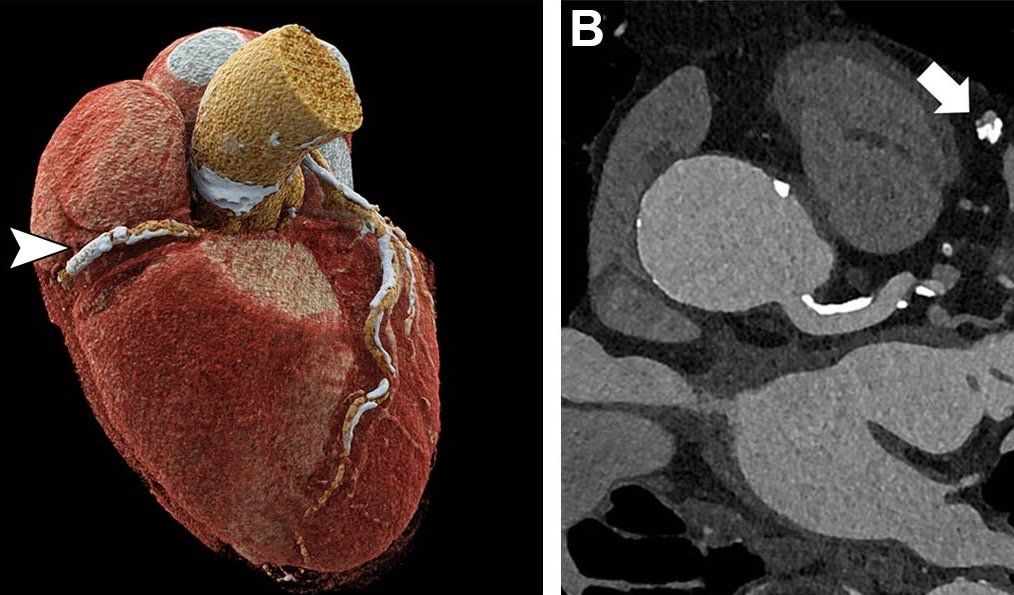
The benefits of noninvasive imaging may soon be available to patients at high risk of coronary artery disease, according to researchers studying a newer technology. That technology is called ultra-high-resolution coronary CT angiography. Currently, patients have coronary CT angiography (CCTA), which is highly effective for ruling out coronary artery disease when it’s used in patients…  read on >  read on >

There is an epidemic of loneliness and isolation today, and the consequences can be deadly, researchers say. Folks who reported that they were socially isolated or felt lonely were more likely to die early from all causes including cancer, according to a sweeping review of 90 studies that included more than 2.2 million people from…  read on >  read on >

Alzheimer’s robs its victims of their memories and there is no cure, but there are things you can do to prevent Alzheimer’s disease. With Alzheimer’s, two types of brain proteins, called tau tangles and beta-amyloid plaques, grow out of control. According to Harvard Health, these proteins destroy brain cells and cause symptoms like confusion, memory…  read on >  read on >

(HealthDay News) – New research finds that many of those who have received an implanted cardiac device to extend their life also have mood disorders, including anxiety, depression and PTSD. “Implantable cardioverter defibrillators [ICDs] are effective at extending patients’ lives, but we need to make sure that’s a good quality life,” said study author Hannah…  read on >  read on >