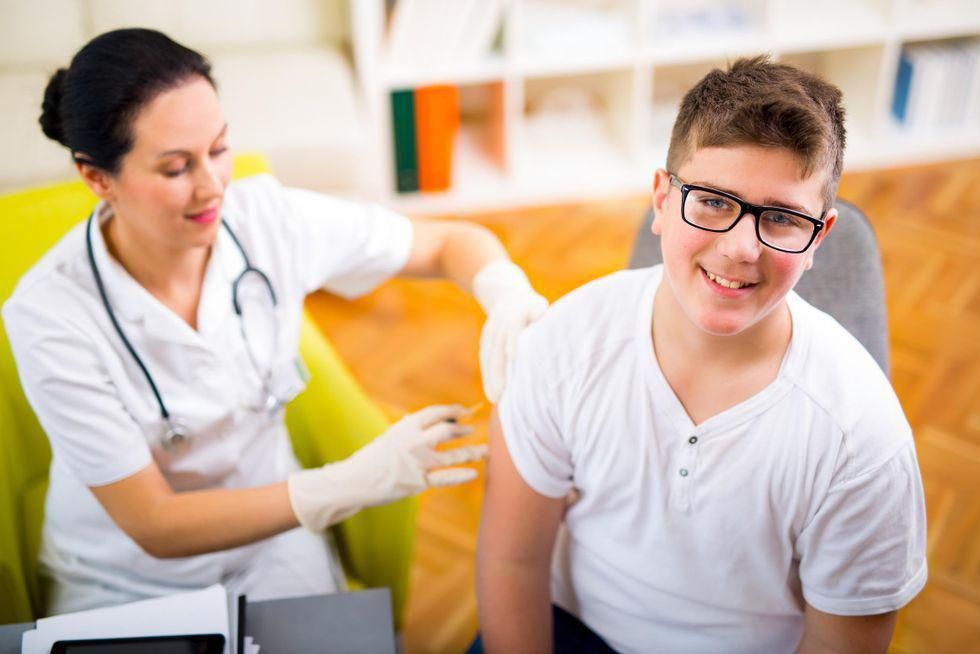









U.S. teens are getting their COVID shots — how does that change their daily lives? Besides letting teens resume many of their normal activities, U.S. authorization of the Pfizer COVID-19 vaccine for people as young as 12 is crucial to slowing the spread of the coronavirus, one expert says. “We know that teenagers can not…  read on >  read on >
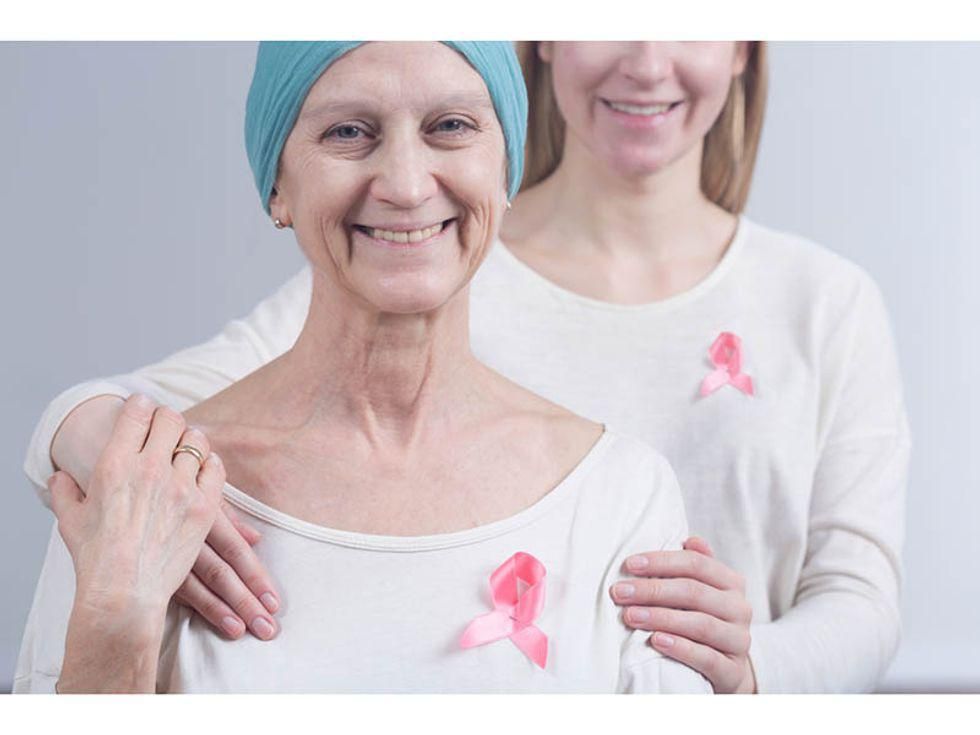
A twice-daily pill can dramatically reduce the risk of breast cancer recurrence in women who are genetically prone to the disease, researchers report. The pill — olaparib (Lynparza) — works by blocking a natural enzyme called PARP that normally fixes DNA damage in healthy cells, but in these women actually promotes the growth of cancerous…  read on >  read on >

If it seems like your dog knows exactly what you’re saying, that’s because dogs are born ready to communicate with people, according to a new study. The research, published June 3 in the journal Current Biology, suggests that even puppies have a capacity to interact with people without any prior experience or training. However, some…  read on >  read on >

America, get ready for a baby boom. That’s the likelihood anyway, according to a new forecast that suggests a drop in pregnancy and birth rates seen during the early part of the COVID-19 pandemic is about to be reversed. “We expect a dramatic rebound soon,” said study lead author Dr. Molly Stout. She is maternal…  read on >  read on >

The cost of COVID-19 hospitalizations averaged nearly $22,000 for older Americans in 2020 — and much more for those who became critically ill, a new government study finds. Researchers at the U.S. Centers for Disease Control and Prevention looked at the cost of COVID-19 care to the Medicare program, which covers Americans aged 65 and…  read on >  read on >

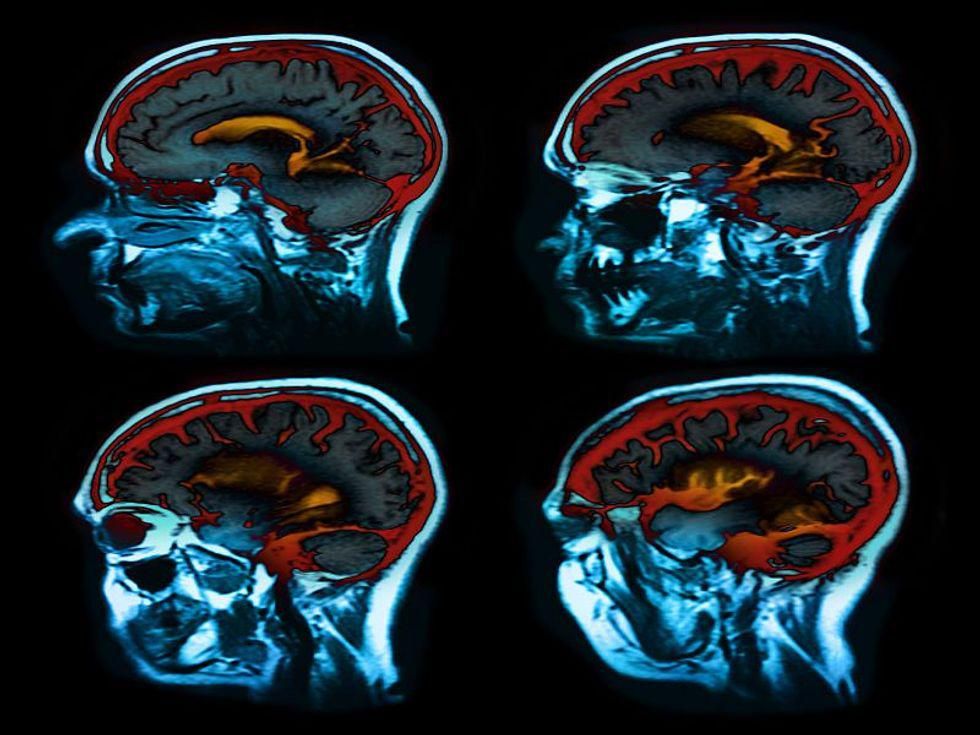
COVID-19 patients are at increased risk for severe strokes, according to a new study that also found that the overall risk of stroke is higher in younger patients. Researchers analyzed data from 432 COVID-19 patients in 17 countries who suffered strokes and found they were more likely to have large vessel occlusion (LVO) than stroke…  read on >  read on >