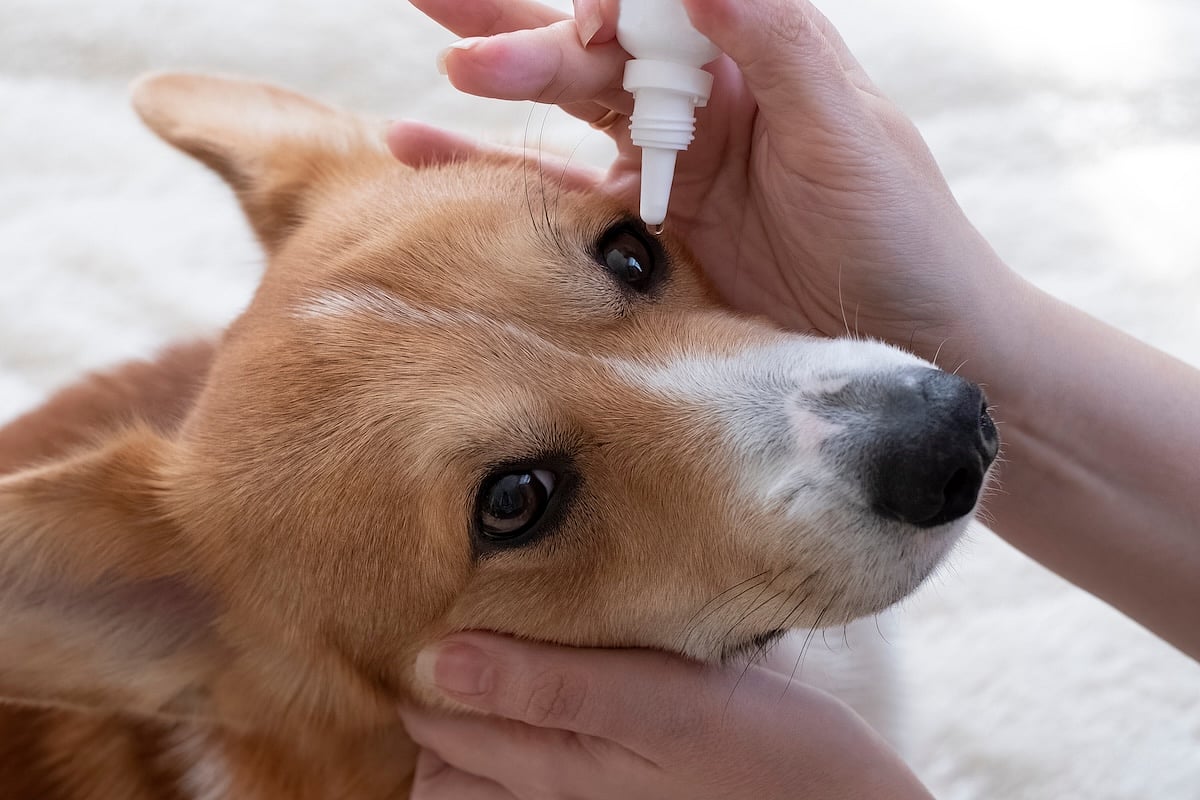










Recall issued in response to reports of toxic anterior segment syndrome read on >
Five years after COVID-19 first hit the United States, scientists are already brainstorming how to stop the next big virus. One possible solution? A special kind of ultraviolet light called far-UVC, CBS News reported. Unlike regular UVC light, which can be harmful to people, far-UVC has a shorter wavelength. That means it can kill viruses… read on > read on >

There are all sorts of co-ops – credit unions, employee-owned businesses, utility providers, farmers’ cooperatives. But a new type of co-op might be the key to caring for aging Americans amid a shortage of paid caregivers, a new study suggests. Home care cooperatives could be the key to making sure the elderly get the care… read on > read on >

Having a father with Alzheimer’s disease could put you at risk for brain changes linked to the degenerative disorder, a new study says. People whose fathers fell prey to Alzheimer’s had a greater spread of tau proteins in their brain, according to findings published in the journal Neurology. Toxic tau tangles in the brain… read on > read on >

Brain diseases like stroke, dementia and depression share common risk factors, and changing any can lower a person’s risk of all three conditions, a new study says. Addressing factors as varied as blood pressure, blood sugar, cholesterol, physical activity, sleep, stress, alcohol consumption and smoking can significantly reduce risk of the three age-related brain diseases,… read on > read on >
Food additive mixtures commonly found in diet drinks, soups, dairy desserts and sauces may slightly increase a person’s risk of type 2 diabetes, a new study says. A mixture of additives commonly found in artificially sweetened beverages increased risk of type 2 diabetes by 13% among a group of nearly 110,000 people, researchers reported in… read on > read on >
America’s emergency rooms are near the breaking point, causing long wait times and boarding of patients awaiting care, a new study says. Essentially, ERs are being asked to serve as health care hubs that offer services far beyond emergency care, according to a new report from the non-profit research organization RAND. And they are asked… read on > read on >
Severe and possibly deadly strep infections are on the rise in the U.S., a study published Monday in Journal of the American Medical Association said. The rate of invasive group A strep infections more than doubled from 2013 to 2022, jumping from about 4 cases per 100,000 people to 8 per 100,000, NBC News reported.… read on > read on >
The U.S. government has shut down or paused several major anti-smoking efforts. Public health leaders say the cuts could reverse decades of progress that have smoking rates in the country at all-time lows. Last week, the Department of Health and Human Services (HHS) made major cuts to tobacco control offices at the U.S. Centers for… read on > read on >
More people die from heart problems during heatwaves where high temperatures stretch through both the day and night, a new study says. Heatwaves that offer no relief at night — known as compound heatwaves — are much more deadly than soaring daytime temperatures alone, researchers reported April 1 in the Journal of the American College… read on > read on >