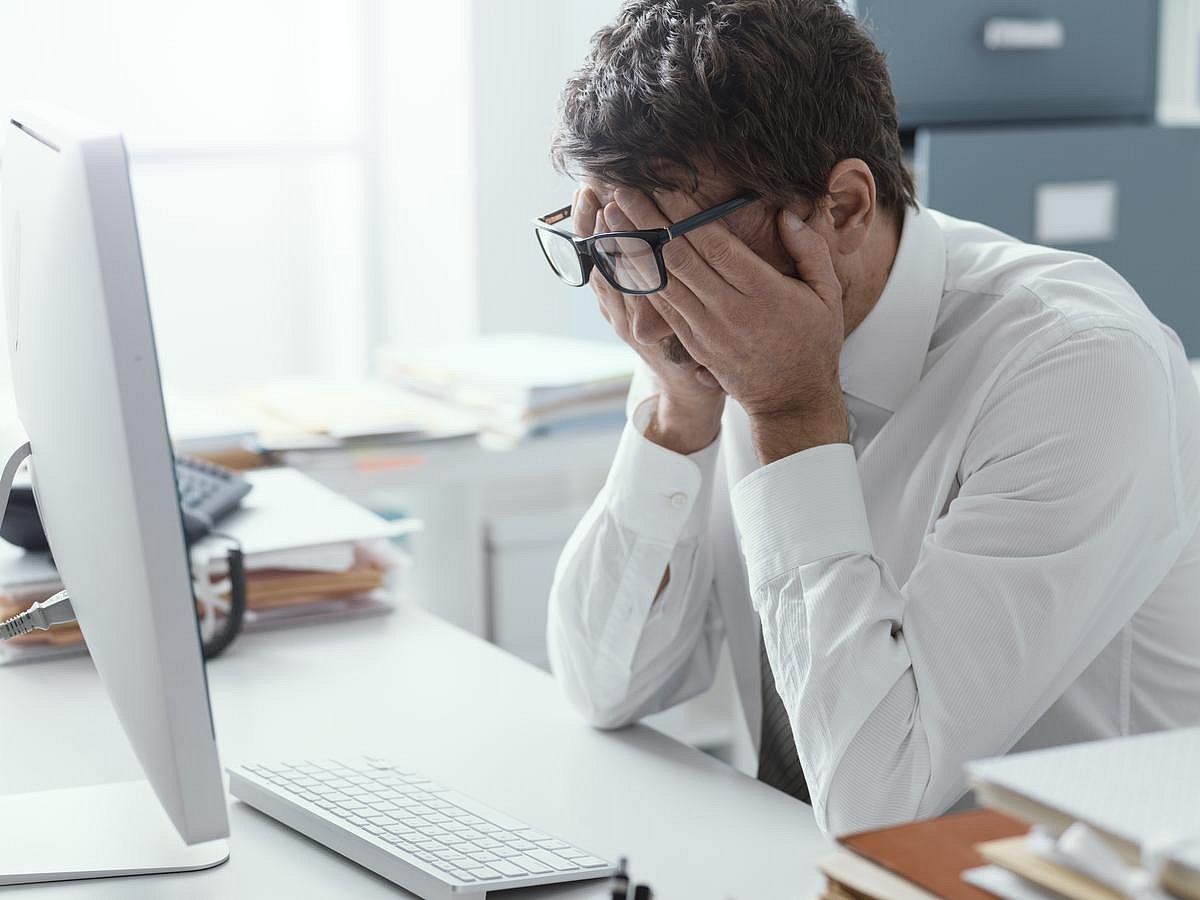









Brain implants that deliver electric pulses can ease depression in people who aren’t responding to psychiatric drugs, a new study says. Half of a small group of people who received brain implants experienced significant improvement in their depression symptoms, researchers reported Nov. 18 in the journal Nature Communications. Further, more than one-third wound up virtually…  read on >  read on >

Self-hypnosis might help some women in menopause find relief from hot flashes. Hot flash frequency and intensity decreased by more than 50% among women who listened to a daily audio hypnosis session, researchers reported Nov. 11 in JAMA Network Open. “All sessions were self-administered hypnosis, which demonstrated that women could learn how to use hypnosis…  read on >  read on >
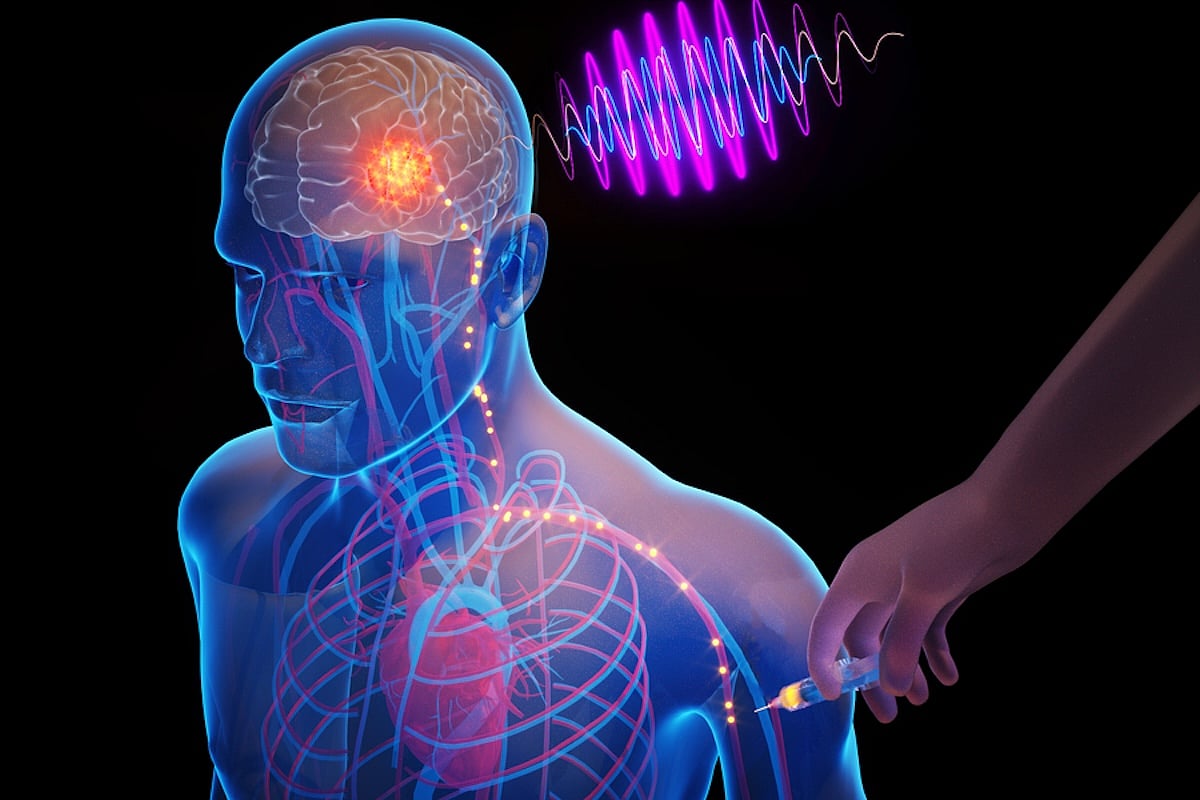
Imagine a brain implant that could be placed without surgically opening a person’s skull, but instead through a simple injection in the arm. Massachusetts Intitute of Technology researchers are working on microscopic, wireless electronic chips that can travel through the bloodstream and self-implant in a targeted region of the brain. In a study with lab…  read on >  read on >

A fractured America is causing people’s stress levels to go through the roof, a new American Psychological Association (APA) survey has found. Overall, the results indicate that loneliness and emotional disconnection have become a defining feature of American life. “This year’s findings show that people across the nation are not just feeling divided, they’re feeling…  read on >  read on >

Exercise can help women with advanced breast cancer better withstand both cancer treatments and the ravages of the disease, a new clinical trial shows. A nine-month program of supervised aerobic and resistant exercise improved muscle mass and strength among women with advanced breast cancer, particularly in their arms and legs, researchers found. The women put…  read on >  read on >

Does the city you run in make a difference? Researchers say yes, it does. When marathon runners hit the wall or fall behind their goal pace, they often blame fatigue, weather or nutrition. However, a study from Brown University published in Sports Medicine suggests a less obvious, environmental culprit: air pollution. Researchers analyzed a dataset…  read on >  read on >